The Meditative Ritual of Homestyle Risotto: A Guide to Creamy Perfection
Unlock the secret to the perfect risotto, a dish that rewards patience, mindfulness, and a few high-quality ingredients.
The Philosophy of the Perfect Risotto
Risotto is far more than a simple rice dish; it is the heartbeat of Italian home cooking and a culinary process that doubles as a form of meditation. Unlike other dishes that prioritize speed, risotto demands your undivided attention. As you stand by the stove, slowly ladling in warm stock and stirring, you witness the rice grains releasing their starch, transforming from humble kernels into a luxurious, creamy masterpiece. It is a lesson in how small, consistent actions lead to extraordinary results.
The secret lies in the choice of rice. Always reach for Arborio, Carnaroli, or Vialone Nano varieties. These short-grain rices are packed with the amylopectin starch required to create that signature velvet texture. The 25 to 30 minutes you spend at the stove are not a chore, but an invitation to disconnect from the digital noise of the day and engage directly with the sensory experience of cooking: the sound of the simmer, the aroma of the aromatics, and the changing consistency of the pan.
The Essential Ingredients
- 300g Arborio or Carnaroli rice
- 1 liter high-quality vegetable or chicken stock, kept warm
- 150ml dry white wine (such as Pinot Grigio or Sauvignon Blanc)
- 1 medium yellow onion, finely minced
- 2 cloves of garlic, smashed
- 50g cold, unsalted butter, cubed
- 80g freshly grated Parmigiano-Reggiano
- 2 tablespoons extra-virgin olive oil
- Salt and freshly cracked black pepper
- Fresh herbs like parsley or thyme for finishing
The Step-by-Step Technique
- Begin by bringing your stock to a gentle simmer in a separate pot. Keep it warm throughout the process; adding cold liquid to the hot rice will shock the grains and ruin the texture.
- In a heavy-bottomed pan, heat the olive oil over medium heat. Sauté the onions until they are translucent and soft. Add the garlic and rice, toasting the grains for about 3 minutes until the edges become translucent. This 'tostatura' phase is crucial for structure.
- Pour in the white wine. Allow it to fully evaporate while stirring constantly. The aroma will fill your kitchen, signaling the start of the flavor-building process.
- Add the warm stock one ladle at a time. The key here is patience: wait until the liquid is almost completely absorbed before adding the next ladle. Stir frequently to encourage the starch release. This process should take about 18 to 20 minutes.
- When the rice is al dente—tender but with a slight bite—remove from heat. Add the cold butter and parmesan, and stir vigorously to emulsify. Cover and let it rest for 3 minutes before serving.
Risotto is a dish that waits for no one. It should be served immediately while it retains its signature 'all'onda'—a flowing, wave-like consistency.
Variations and Serving Suggestions
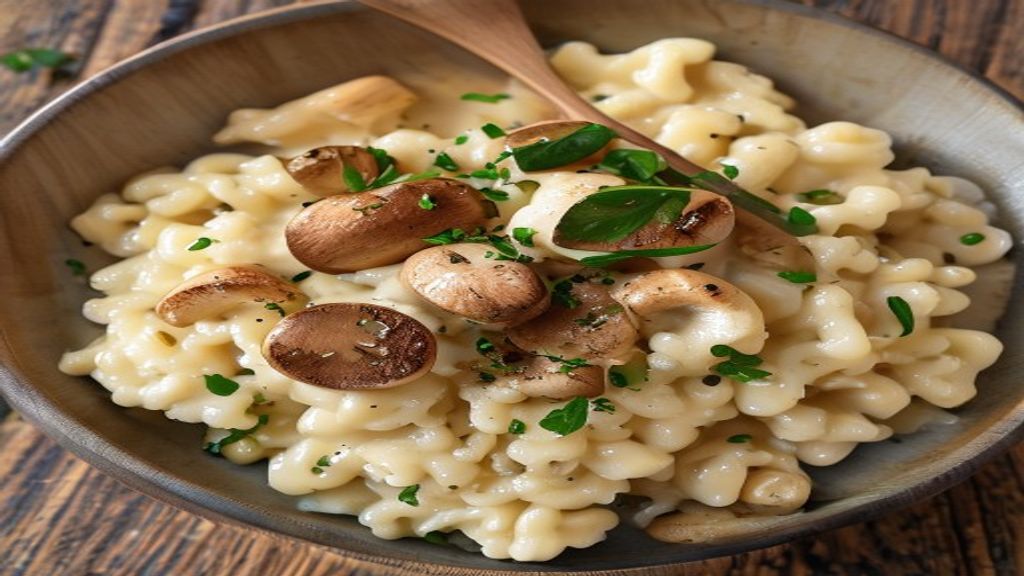
Once you master the base, the possibilities are endless. In autumn, fold in sautéed wild mushrooms and a drizzle of truffle oil. In spring, fresh asparagus and lemon zest provide a vibrant lift. For a heartier meal, pan-seared scallops or crispy pancetta add a beautiful textural contrast. Regardless of the add-ins, always serve in wide, shallow bowls to allow the risotto to spread slightly, maintaining its heat and texture.
Pair your creation with the same crisp white wine you used for the cooking process. As you sit down to eat, notice how the simple act of slow-stirring has transformed not just the rice, but your own state of mind. Risotto is an invitation to slow down, share a meal, and appreciate the beauty of a quiet evening at home.