How to Build a Thoughtful and Organized Personal Library
Buying books is wonderful, but creating a personal library is far more than just acquiring volumes. It's a reflection of your mind, your passions, and your life's journey. It's a sanctuary, a resource, and a source of continuous learning and comfort. A well-curated library doesn't just offer aesthetic pleasure; it fosters intellectual growth, aids memory, and solidifies personal identity. It's not a haphazard pile of books, but a thoughtfully chosen and organized collection that tells your story. Let's explore how to build such a library together.
The Philosophy of Collection: What to Keep, What to Seek
The first step in cultivating a personal library is mastering the art of selection. It's not about quantity, but quality and relevance. Why? To avoid clutter and ensure every book serves a purpose, be it joy, study, reference, or sentimental value. A truly meaningful library is one where every spine on the shelf holds significance.
- Identify Your Core Interests: What topics genuinely fascinate you? What genres do you return to time and again? Start with your passions.
- Consider Purpose: Is it for pleasure, study, reference, or sentimental value? Every book should have a place and a reason in your collection.
- The "Re-read" Test: Would you read it again? Would you lend it and genuinely want it back? If the answer is no, perhaps it's time to part ways.
- Physical vs. Digital: Embrace both. Digital for convenience and accessibility, physical for the tactile experience and the beauty of rare editions.
- Don't Be Afraid to Declutter: Periodically review your collection. Donate or sell books that no longer resonate with you. Clutter stifles intellectual clarity.
“A great library is a place where you can find not only what you expect, but also what you didn't know you needed.”
Common Mistake: Buying books just because they're on sale or popular, without genuine interest. This leads to unread books and wasted space.
Quick Tip: Start a "wishlist" before buying, allowing for thoughtful consideration.
Strategic Organization: Making Your Library Work for You
A well-organized library saves time and enhances accessibility. Why? You'll find books easily, appreciate your collection visually, and prevent damage. Your books should be a joy to browse, not a source of frustration.
Categorization:
There are various approaches, depending on your preferences and the size of your collection.
- By Genre: Fiction, Non-Fiction (sub-divide: History, Science, Cookbooks, etc.). This is often the most common and practical method.
- By Author: A classic approach for literary collections, especially if you have multiple works by the same writer.
- By Color: Aesthetically pleasing, but less functional for quickly locating specific titles. Use sparingly or for smaller, decorative sections.
- By Subject/Theme: Great for interdisciplinary interests, allowing you to group related topics regardless of genre.
- Personal System: Combine methods (e.g., non-fiction by subject, then alphabetically by author within each subject). Find what works best for your brain.
Physical Layout:
- Shelving: Invest in sturdy, adjustable shelves. Consider the height and depth required for your largest books.
- Flow: Arrange frequently accessed books within easy reach, perhaps on lower or eye-level shelves.
- Grouping: Always keep series together to maintain narrative continuity.
Labeling/Inventory (Optional but Recommended):
A simple spreadsheet or app (e.g., Goodreads, Libib) can help you track title, author, genre, acquisition date, and even location within your library. This is especially useful for larger collections.
Common Mistake: Overstuffing shelves, which makes books hard to remove, prone to damage, and visually unappealing.
Quick Tip: Leave 10-15% empty space on each shelf to allow for growth and easy access.
The Art of Placement and Display: Aesthetics and Accessibility
Beyond just order, how your books are displayed impacts your interaction with them and the room's ambiance. Why? To create an inviting space, protect your books from environmental harm, and make your library a focal point in your home.
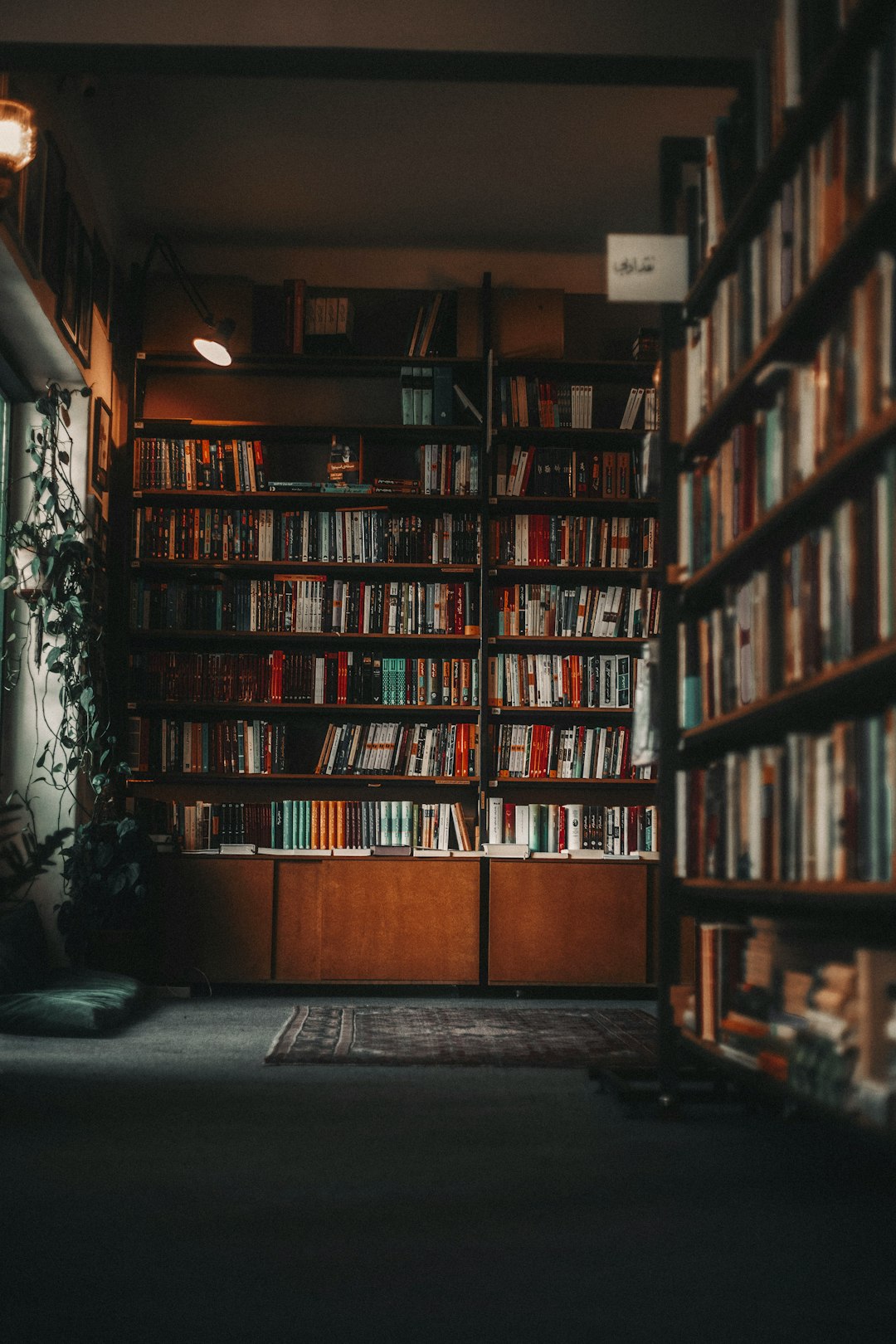
- Lighting: Good lighting is crucial for both reading and showcasing your collection. Avoid direct sunlight on spines, which can cause fading.
- Reading Nook: Combine shelves with a comfortable chair, a sturdy side table, and a warm, adjustable lamp. This encourages actual reading.
- Decorative Elements: Incorporate small art pieces, thriving plants, unique bookends, or framed photos to break monotony and add personality.
- Vertical Stacking (Sparingly): Use for oversized art books or coffee table books, but generally prefer vertical arrangements for easier access and spine protection.
- Dusting and Cleaning: Regular, light dusting with a microfiber cloth is essential. Avoid harsh chemical cleaners, which can damage covers.
Common Mistake: Placing books in areas with high humidity, extreme temperature fluctuations (like near radiators or fireplaces), or direct, unfiltered sunlight. These conditions accelerate deterioration.
Quick Tip: Rotate display books periodically to highlight favorites, new acquisitions, or seasonal reads, keeping your library fresh and engaging.
Preserving Your Precious Volumes: Book Care Basics
Your books are investments, both financial and emotional. Proper care ensures their longevity and preserves their value, allowing you to enjoy them for years to come and potentially pass them down. Treat them with respect.
- Handling: Always support the spine when removing a book from a shelf. Open gently, especially older or tightly bound volumes, to avoid cracking the spine.
- Environment:
- Temperature & Humidity: Aim for stable, moderate conditions (around 68-72°F / 20-22°C, 40-50% humidity). Avoid attics, basements, and bathrooms, which are prone to extremes.
- Light: Keep books away from direct sunlight and strong artificial light, which can fade spines, discolor pages, and degrade covers.
- Pest Control: Regular cleaning helps deter pests. Consider using natural deterrents like cedar blocks, but avoid chemical sprays directly on books. Inspect books for signs of insects periodically.
- Repairs: For minor tears, use archival-quality, acid-free tape. For significant damage, consult a professional bookbinder or conservator; amateur repairs can sometimes cause more harm than good.
- Dust Jackets: Keep them on for protection, or store them separately in archival sleeves if they are particularly valuable or fragile.
Common Mistake: Using sticky notes (they can leave residue), dog-earing pages, forcing books open flat, or storing them horizontally in tight stacks for long periods.
Quick Tip: Use acid-free bookmarks to mark your place, never a folded page or a foreign object that could damage the book.
Conclusion
Your personal library is a living entity, constantly evolving with you. It's a journey, not a destination. Over time, it will become a rich reflection of your intellectual and spiritual life. Enjoy the process of curating, organizing, and caring for each volume, for in doing so, you are not just collecting books, but building a personal legacy of knowledge and wonder.