The Man Who Tasted Colors: Unlocking the Mystery of Synesthesia
The Blurring of Sensory Lines
Imagine walking down a busy street where the sound of car horns manifests as flashes of jagged yellow light, or tasting the sharp tang of vinegar every time you hear the name 'Alexander.' For most of us, our senses operate in distinct silos—eyes see, ears hear, tongues taste. But for the small percentage of the global population living with synesthesia, these silos do not exist. Their reality is a vibrant, multi-sensory landscape where stimuli from one sense trigger an automatic, involuntary experience in another.
What is Synesthesia?
Derived from the Greek words 'syn' (together) and 'aisthesis' (sensation), synesthesia is not a disorder, but a fascinating neurological variation. Synesthetes do not 'imagine' these connections; they experience them as physical reality. A person with grapheme-color synesthesia might see the letter 'A' as bright red every single time they read it. Another might hear a symphony and describe the experience as a swirling tapestry of neon greens and deep purples. It is an internal sensory cocktail that makes the mundane act of perception feel like a continuous, kaleidoscopic performance.
Synesthesia serves as a profound reminder that our individual experiences of the world are mere interpretations created by the brain, and those interpretations can be as diverse as humanity itself.
The Neural Architecture
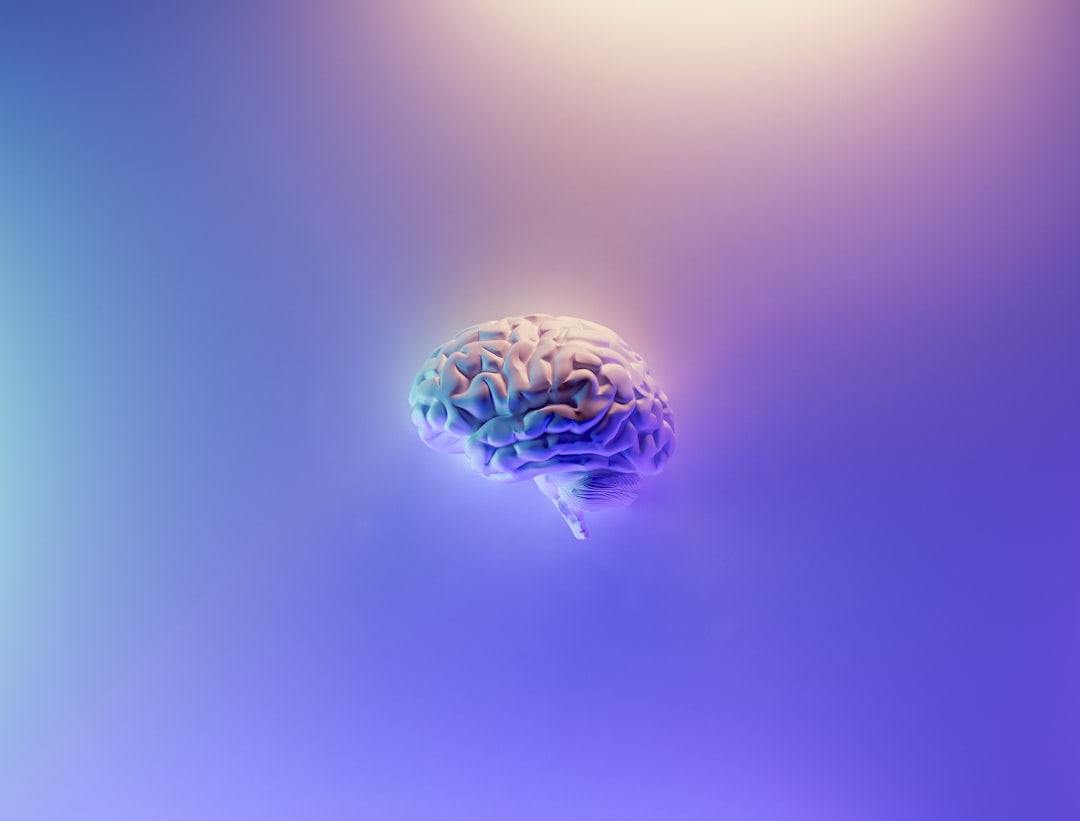
For decades, scientists dismissed synesthesia as mere metaphor or childhood memory. Today, advanced neuroimaging has proven that it is a tangible biological reality. Studies suggest that the brains of synesthetes possess higher levels of cross-connectivity between neighboring sensory regions. If the area of the brain responsible for processing color sits adjacent to the area for processing numbers, a synesthete may have 'hyper-connected' pathways that allow signals to bleed across borders.
- Grapheme-color: Seeing specific colors when viewing letters or numbers.
- Chromesthesia: Hearing sounds or music and seeing corresponding colors.
- Lexical-gustatory: Tasting specific flavors when hearing certain words.
- Mirror-touch: Feeling a tactile sensation when watching someone else being touched.
A Creative Catalyst
The implications of this condition often manifest in extraordinary creative output. Famous figures like Vladimir Nabokov, Pharrell Williams, and Duke Ellington have openly discussed their synesthetic experiences. For them, composition is not just about structure; it is about finding the right shade of blue to match a melody or ensuring a word has the correct 'texture' on the tongue. This heightened sensitivity allows for a unique synthesis of art, where the boundaries between media dissolve.
Ultimately, studying synesthesia pushes the boundaries of neuroscience and human psychology. It challenges the standard model of how we process information and invites us to consider the richness of human neurodiversity. Whether it is a gift or simply a different way of existing, the synesthetic mind remains one of the most compelling frontiers in our quest to understand what it truly means to perceive the world around us.