Tulip Mania: When a Flower Brought Down a Nation's Economy
The Seeds of Obsession
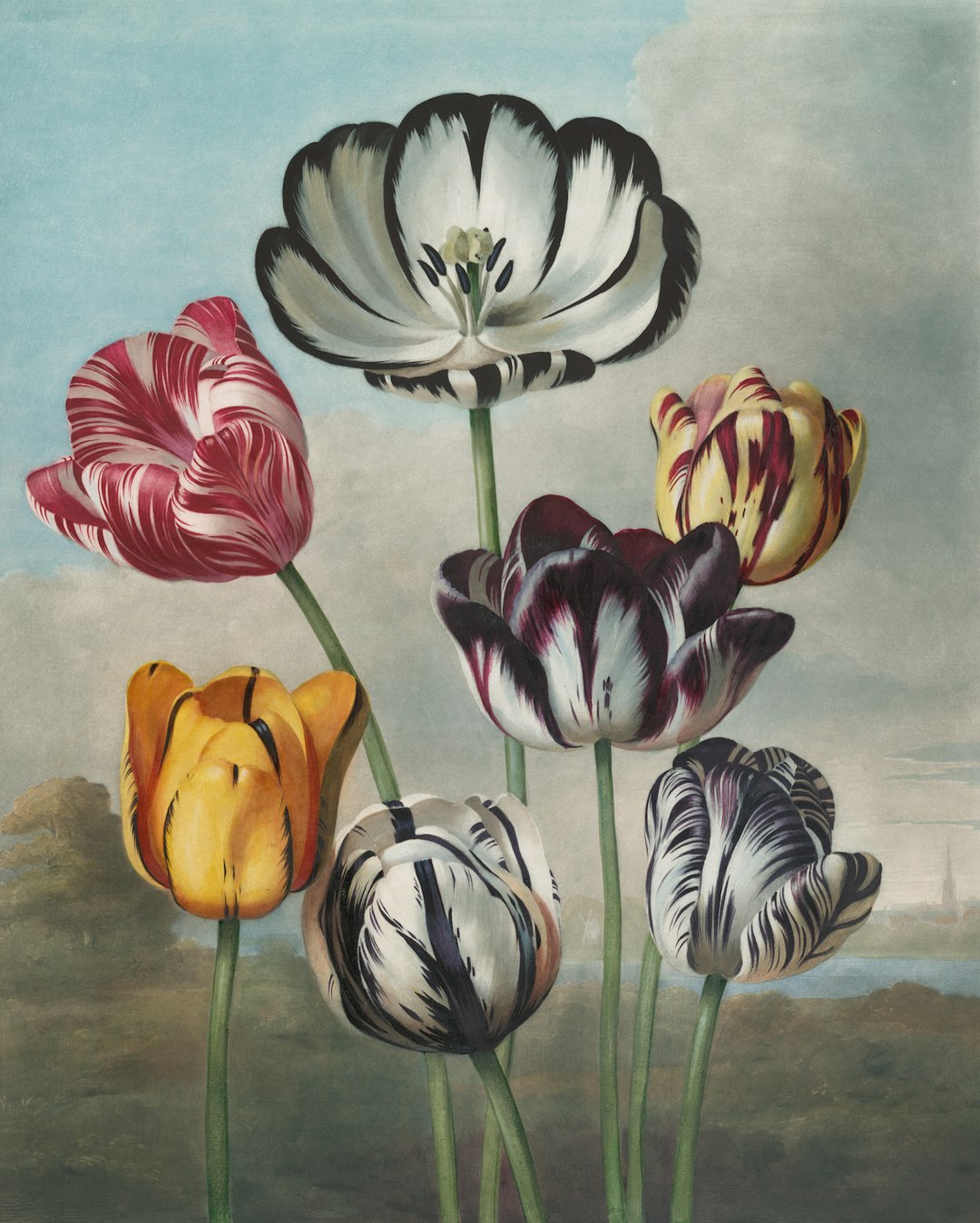
In the early 17th century, the Dutch Golden Age was in full swing. Wealth was pouring into the Netherlands, and with it came a hunger for exotic status symbols. Enter the tulip. Originally imported from the Ottoman Empire, these flowers—particularly those with 'broken' petals caused by a mosaic virus—became the ultimate sign of prestige. To own a rare bulb was to signal that you were among the elite.
The Speculative Fever
By 1634, the demand for tulips had outpaced supply, leading to a frenzy that transcended traditional trade. People began to sell their livelihoods—farms, houses, and life savings—to acquire bulbs that they would never actually plant. This was the birth of 'wind trade' (windhandel), where contracts for bulbs not yet harvested were traded with reckless abandon in tavern backrooms. The price of a single bulb could skyrocket to the equivalent of a luxury manor house.
The Crash of 1637
The bubble burst in February 1637. At a routine auction in Haarlem, a buyer simply refused to pay the inflated asking price. The news spread like wildfire through the trade networks. Panic ensued. Within days, the market for tulips evaporated, leaving thousands of speculators holding nothing but worthless onions. The social and economic impact was profound, with the Dutch government eventually having to intervene to nullify contracts.
The Tulip Mania serves as the ultimate cautionary tale: when the price of an asset detaches entirely from its intrinsic value, the resulting collapse is not a matter of if, but when.
Lessons for the Modern Investor
While some modern historians argue that the extent of the crash was exaggerated by contemporary moralists, the core lesson remains undeniable. Markets are driven by human psychology as much as by data. From the dot-com bubble to modern cryptocurrency volatility, the pattern of irrational exuberance remains consistent throughout history.
Ultimately, the Tulip Mania teaches us that greed is a timeless force. Whether it is a rare flower or a digital asset, when investors stop asking what something is worth and start asking only what they can sell it for tomorrow, they have already lost their way.