Mastering Pickleball Strategy: How to Win with Smart Play
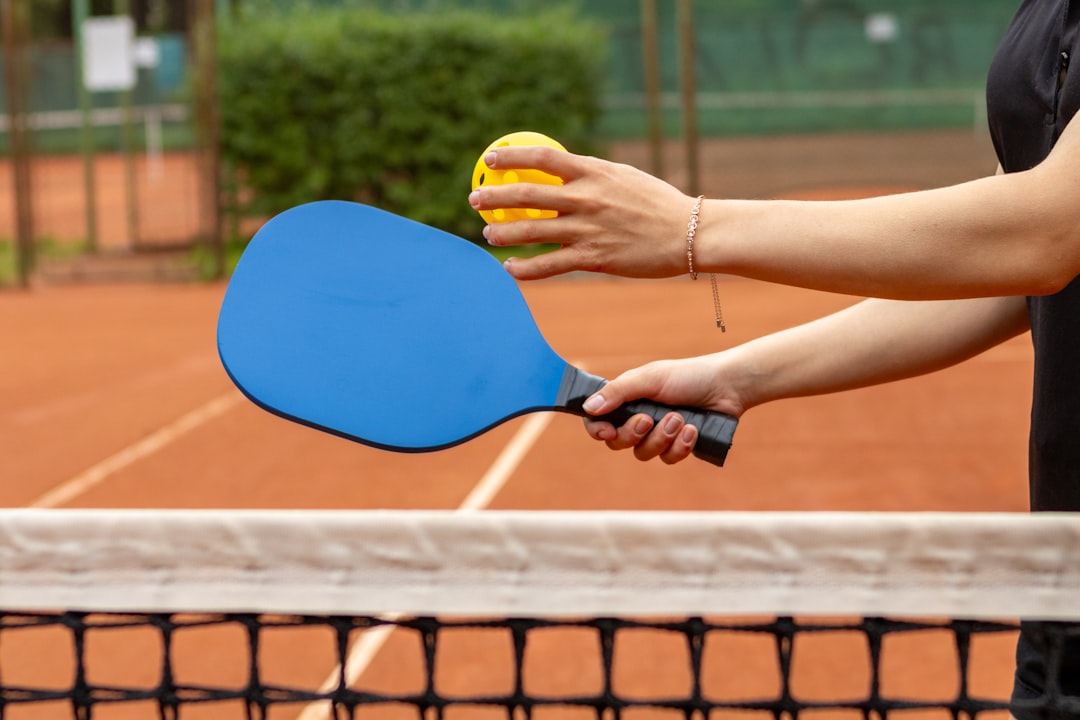
Pickleball has rapidly become one of the most popular sports globally, blending elements of tennis, badminton, and table tennis into a fast-paced, accessible game. However, many players hit a plateau where they can no longer win simply by hitting the ball harder. To reach the next level, you must transition from a reactive player to a strategic one. Mastering pickleball isn't about raw power; it is about court geometry, patience, and exploiting the specific rules of the game.
Understanding the Kitchen Rules
The most unique aspect of pickleball is the non-volley zone, commonly known as the 'kitchen.' This seven-foot area on either side of the net is where many points are won or lost. A common mistake is standing inside this zone when you are not supposed to. You must never volley (hit the ball out of the air) while standing in the kitchen or touching its lines.
- Always wait for the ball to bounce before entering the kitchen.
- Use the kitchen to reset the pace of the game when your opponent is attacking.
- Aim your 'dinks'—the soft shots near the net—to force your opponent into an awkward reach.
Court Positioning and Movement
Many players lose points because they fail to return to the 'home' position after a shot. In pickleball, efficiency is key. After every shot, you should aim to recover to the center of your side of the court. This position allows you to cover both wide angles with equal effort. Avoiding 'no man's land'—the transition area between the baseline and the kitchen—is critical.
In pickleball, the person who plays with the most patience usually wins. Don't rush your shots; wait for the right opportunity to attack.
The Art of the Third Shot Drop
The third shot drop is widely considered the most important shot in competitive pickleball. Because the serving team usually starts at the baseline, they are at a disadvantage until they can move to the kitchen line. The third shot drop is a soft, arcing shot that lands in the opponent's kitchen, allowing you and your partner time to move forward safely.
Common Mistakes to Avoid
One of the biggest errors is 'over-hitting.' New players often try to smash every ball, which leads to unforced errors. Remember that the ball moves slower in pickleball than in tennis, giving you more time to prepare. Focus on your contact point and keep your paddle in front of your body at all times. Avoid backswinging too far; compact strokes are much more effective.
Pickleball is a game of chess played with a paddle. By focusing on your positioning, mastering the soft game at the net, and eliminating unforced errors, you will see your winning percentage climb. Practice these techniques consistently, and you will find that the game becomes much more rewarding as you outmaneuver your opponents rather than trying to overpower them.