How to Create an Urban Pollinator Garden on Your Balcony
Transform your small urban space into a vital refueling station for bees, butterflies, and other essential pollinators with this simple guide.
Why Urban Pollinators Need Your Help
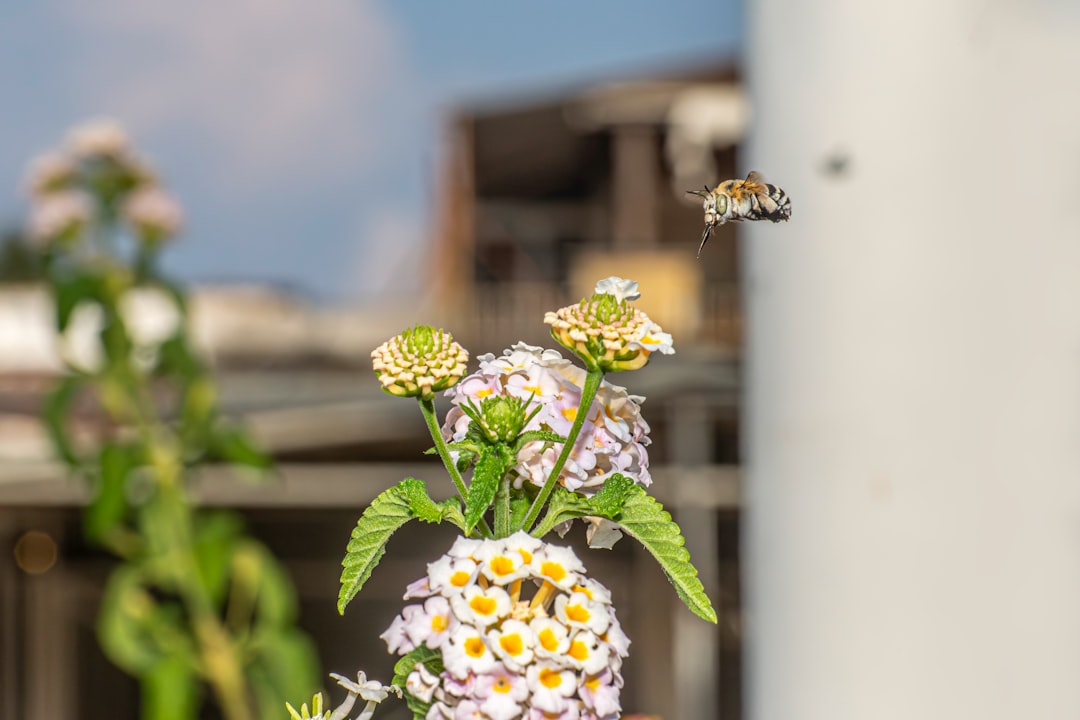
Urbanization has fragmented natural habitats, leaving our essential pollinators—bees, butterflies, and solitary wasps—struggling to find food and shelter. By creating an urban pollinator garden, even on the smallest balcony, you act as a vital bridge in an ecological network. These insects are responsible for one out of every three bites of food we eat, and they are currently facing significant threats. Your balcony is more than just a decorative space; it is a life-saving sanctuary.
Step 1: Selecting the Right Plants
Not all flowers are created equal. Many double-petaled hybrid flowers have been bred for aesthetics but contain little to no nectar or pollen. Focus on native plants that have evolved alongside local insects. Aim for a mix of bloom times so that your garden provides a food source from early spring through late autumn.
- Lavender: Hardy and highly attractive to honey bees.
- Coneflower (Echinacea): A powerhouse for butterflies.
- Sedum: Excellent for late-season nectar when other food is scarce.
- Herbs: Letting your mint, oregano, or chives bolt and flower is a gift to local bees.
Step 2: Creating a Safe Watering Station
Pollinators get thirsty, but they cannot swim. A deep bowl of water is a death trap for a bee. To create a safe station, take a shallow saucer or tray and fill it with smooth pebbles or marbles. Add water until it is just below the surface of the stones. This creates 'landing pads' where insects can walk up to the water's edge and drink safely without the risk of drowning.
Step 3: Managing Your Garden Sustainably
The most critical rule of a pollinator garden is to avoid synthetic pesticides and herbicides at all costs. These chemicals are designed to kill insects, and they do not distinguish between pests and the pollinators you are trying to protect. Stick to organic gardening methods like using compost tea for fertilizer and manual removal of any unwanted 'weeds.' If you see a few holes in your leaves, celebrate—it means your garden is part of the food chain!
A balcony pollinator garden is a testament to the idea that you do not need acres of land to make a meaningful contribution to biodiversity.
Common Mistakes to Avoid
One of the biggest mistakes is 'over-cleaning.' Leave some dead plant stalks throughout the winter; these provide essential nesting sites for solitary bees. Another mistake is buying plants that have been treated with systemic neonicotinoids. Always ask your nursery if their plants are 'pollinator-safe' and grown without these harmful pesticides. Finally, avoid using artificial lighting near your pollinator plants at night, as this can confuse nocturnal pollinators like moths.
Building a pollinator garden is a rewarding, slow-paced project. Start with just three pots and observe which visitors arrive. You will be amazed at how quickly nature finds a way to your home once you provide the right invitation. By nurturing these small creatures, you are actively participating in the health of your local environment and creating a more vibrant, living space for yourself.